
Foreword by the President — Prof. med. Miklos Pless
Institutional Transition and Visibility
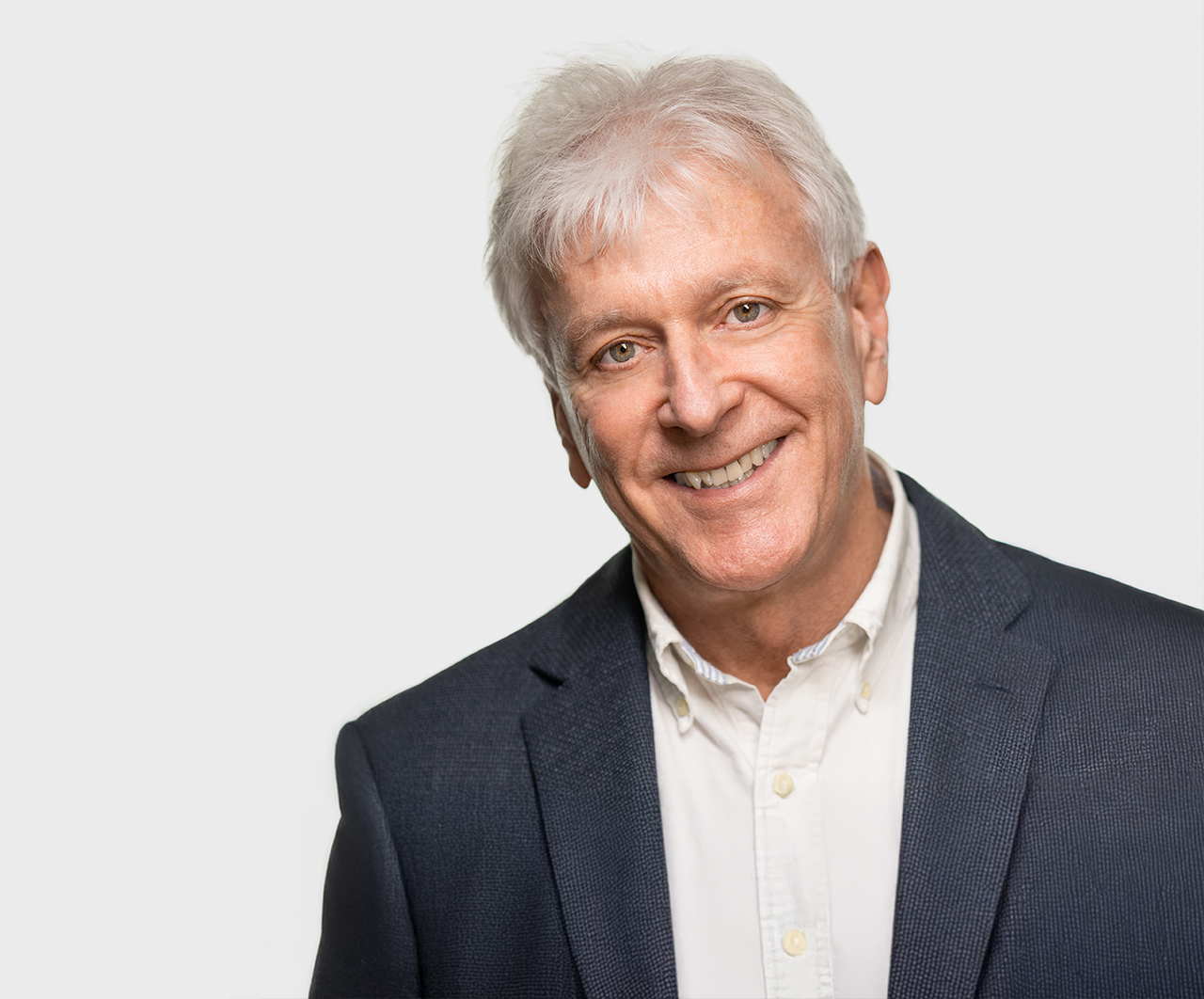
The year 2025 marks a historic transition: With the dissolution of the SAKK and the launch of the Swiss Cancer Institute (SCI), a new phase of clinical cancer research began in Switzerland. Building on 60 years of scientific experience, we have realigned our structures, strategy, and collaboration – with the goal of consistently advancing patient-centered, high-quality research that is internationally compatible.
The past year represented both an ending and a new beginning. As part of our 60th anniversary, we honoured the history of SAKK through a scientific symposium and formally united under the name Swiss Cancer Institute what had already grown together structurally.
This milestone was complemented by the tenth anniversary of the Young Oncology Academy – a clear sign of our long-term commitment to the next generation of researchers.
In parallel with this institutional transition, our public profile was also strengthened. The new leadership in communications and strategic partnerships has helped sharpen our positioning both nationally and internationally.
Strategy and Structural Realignment
A renewed vision and mission, together with a clearly defined overall and research strategy, have established a clear framework for our future work. This framework defines our ambition: to enable clinical research that is practice-oriented, evidence-based and patient-centred, while reinforcing Switzerland’s position as an internationally recognised centre for oncology.
Organisationally, organ-specific research groups have evolved into project groups (including gynaecology and head and neck tumours). Cross-sectional groups, such as registry structures, have been transferred into sections. These adjustments increase transparency, strengthen professional accountability and streamline decision-making processes.
Operational Excellence and Trial Development
Enhancing operational processes was a particular focus in 2025. Through the Lean Trials initiative, a modular trial structure enabling cost reductions of up to 50% was introduced. In addition, a boot camp format was implemented that reduces the development time for trial protocols to one or two months.
During the reporting year, 15 new trials were initiated, and 13 trials were activated. Each project group now has at least one ongoing trial. At the same time, patient enrolment increased. This development underlines the growing operational stability and efficiency of our organisation.
Financial Stability and Diversification
Financially, the SCI is on a solid footing for the second consecutive year. With the appointment of a new Chief Financial Officer, financial management has been further professionalised and transparency in budgeting and reporting processes has improved.
Our funding sources are being expanded and diversified through new fundraising initiatives, including closer collaboration with Cancer Research Switzerland, increased use of funding instruments from the Swiss National Science Foundation (SNSF), and innovative approaches such as the SCI credit card.
Network, National Responsibility and Partnerships
Our network has been expanded in a targeted way. Collaboration with prio.swiss and partner organisations in the field of gender medicine, including Philas, has been intensified. In addition, new research partnerships – including partnerships with industry – have been established.
At the national level, the SCI is actively involved in shaping the National Cancer Plan, particularly in the areas of clinical research and data infrastructure. As a member of the Clinical Research Coordination Platform (CPCR), we also play a central role in advancing Patient and Public Involvement (PPI). Furthermore, a constructive and trust-based collaboration with the State Secretariat for Education, Research and Innovation (SERI) has been established.
«Trust forms the foundation of scientific collaboration and institutional development.»
Trust and Institutional Continuity
For me personally, building trust among our members and project groups has been central. Trust forms the foundation of scientific collaboration and institutional development. With a clear strategic direction, stable structures and increased organisational maturity, the Swiss Cancer Institute is well positioned to further advance clinical cancer research in the service of patients.
Personal Conclusion
This report marks the end of my term as President. I am grateful for the trust placed in me and for the commitment of all those involved – our members, the Competence Centre, the project groups, the Board and our CEO.
Together, we have succeeded in stabilising the SCI during a period of transition and advancing it strategically. An experienced and highly respected leader, Prof. Viviane Hess, will assume the presidency. I wish her every success and foresight in this role.